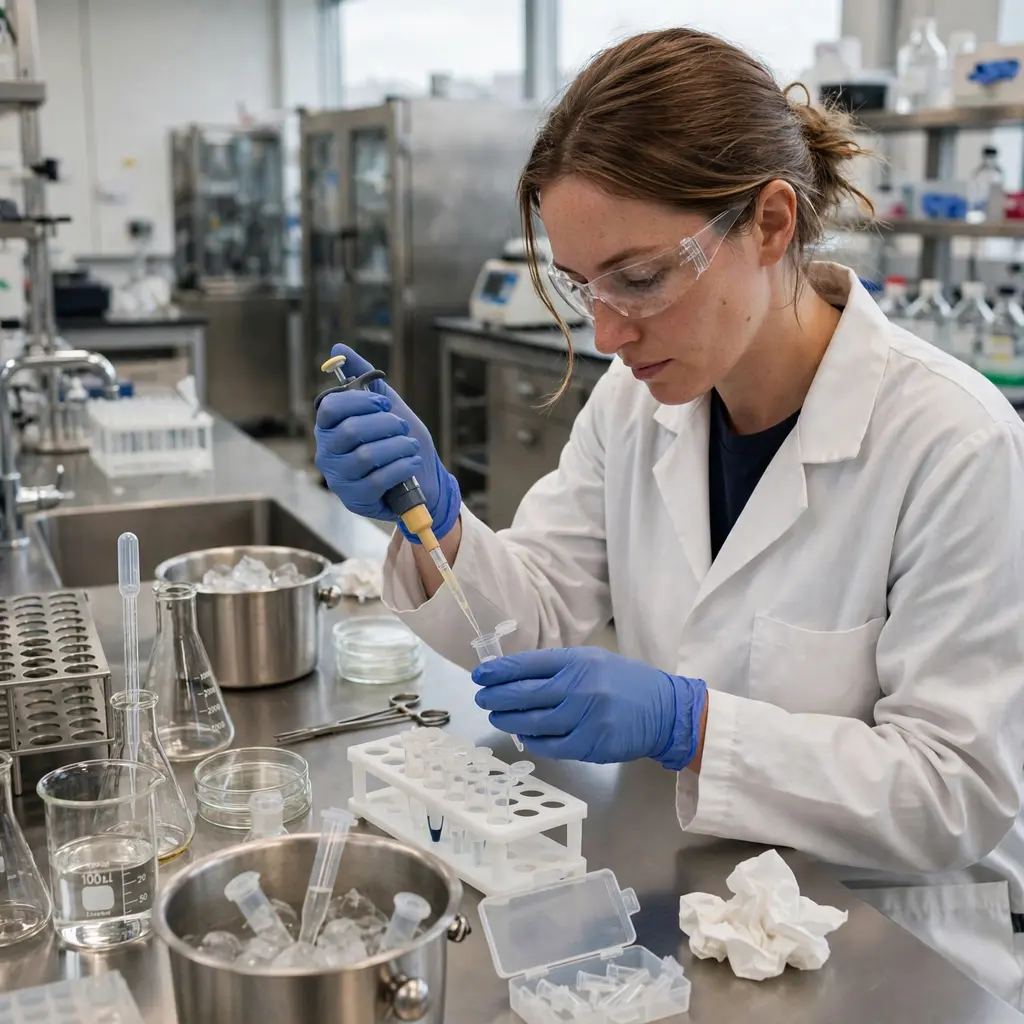
How Peptide Research Is Reshaping Modern Biomedical Science
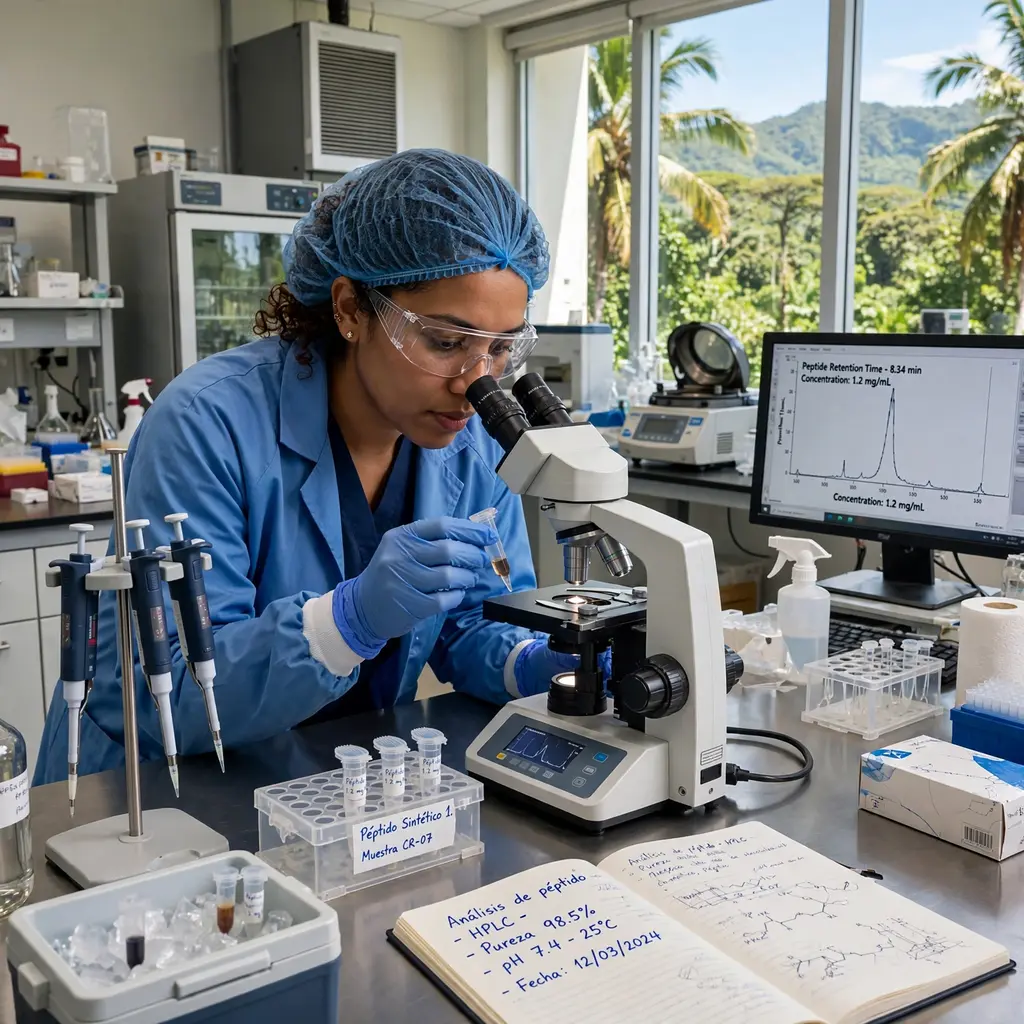
Peptides at the Center of Scientific Discovery
Modern biomedical research is increasingly focused on understanding small biological molecules that can produce highly specific interactions inside living systems. Peptides have attracted considerable scientific attention because of their diverse roles in communication between cells and biological regulation. As researchers uncover new pathways and molecular relationships, interest in this field continues to expand. Anyone looking for more information on peptide science can see that current research extends far beyond simple laboratory experiments, connecting molecular biology, regenerative research, pharmacology, and the continuing search for better ways to understand human health.
Small Molecules With Complex Biological Roles
Peptides may be relatively small compared with larger proteins, but their biological influence can be remarkably complex. Many naturally occurring peptides function as signaling molecules, hormones, or messengers that help coordinate activity throughout the body. Researchers can also design synthetic peptides to study specific receptors or molecular pathways. Their ability to interact selectively with biological targets has made them valuable tools for investigating how cells receive information and respond to changing conditions. This scientific versatility continues to make peptides an important subject across multiple areas of biomedical research.
Exploring the Networks That Guide Cells
The human body depends on an enormous network of cellular communication. Cells must constantly receive, interpret, and respond to chemical signals in order to survive and function properly. Peptide research helps scientists examine parts of this communication system in greater detail. By observing how particular molecules interact with receptors, researchers can investigate processes related to growth, immune activity, metabolism, and tissue maintenance. These studies do not simply focus on individual compounds. They also contribute to a broader understanding of how biological systems remain organized and how disruptions in signaling can affect normal cellular function.
Regenerative Science Opens New Research Questions
One of the most interesting areas connected with peptide research is regenerative science. Scientists are exploring how biological signals may influence the processes involved in tissue maintenance and repair. Experimental studies have investigated peptide interactions related to cell movement, inflammatory responses, blood vessel formation, and the environment surrounding cells. Researchers are also developing peptide-based biomaterials that may support scientific studies involving tissue engineering. These approaches are helping expand knowledge about the conditions that influence cellular behavior and regeneration, while also creating new questions that require careful investigation through future research.
Finding Trusted Evidence Through NCBI
Scientific progress depends on the ability to examine research carefully rather than relying on isolated claims or exciting headlines. The National Center for Biotechnology Information provides access to valuable biomedical literature and scientific databases that help researchers evaluate existing knowledge. Reviewing information available through NCBI can reveal important differences between early laboratory findings, animal research, and studies involving human participants. It also allows readers to examine how research questions were tested and what limitations may exist. This evidence-based approach is essential for understanding where peptide science currently stands and which areas still need further investigation.
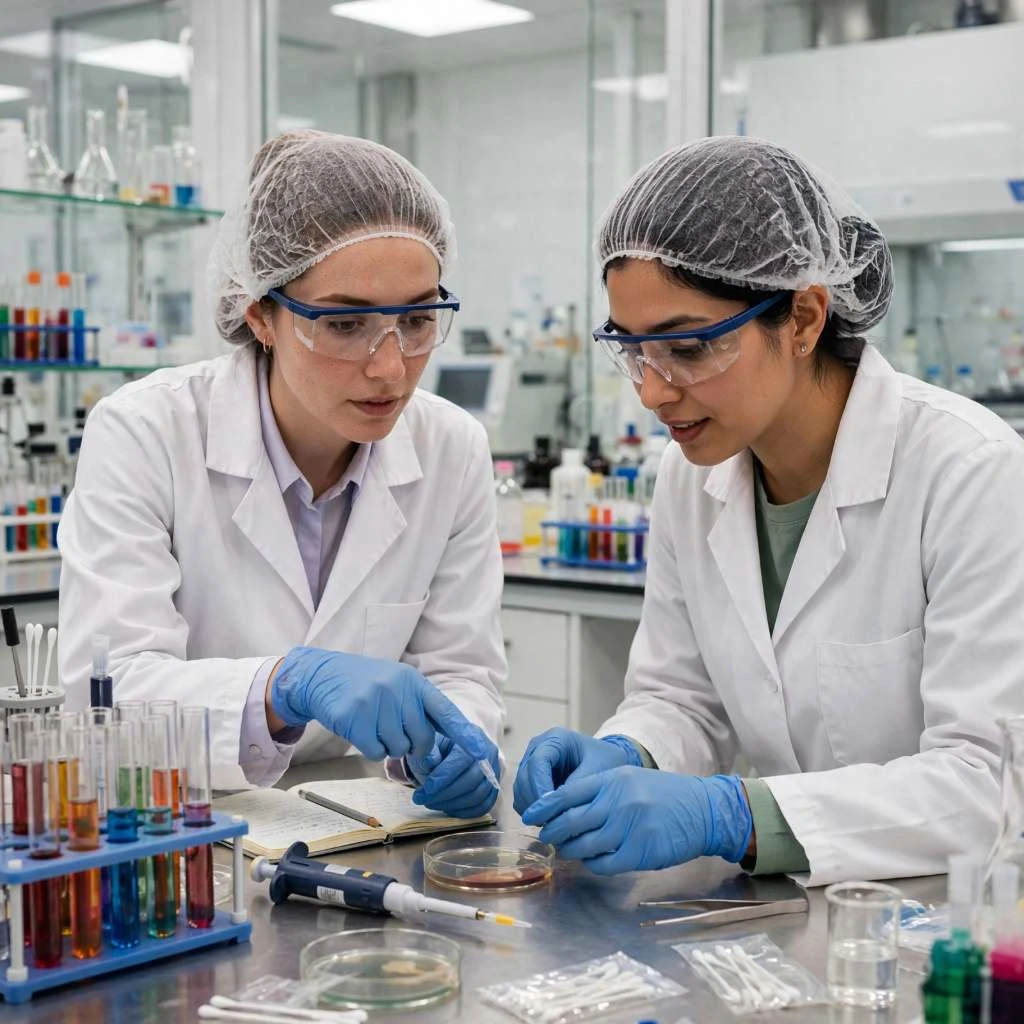
Promising Results Are Only the Beginning
Scientific discovery often begins with observations that appear promising, but those early findings represent only the first stage of research. A peptide may demonstrate measurable activity in a laboratory environment without necessarily producing the same outcome in a human population. Biological systems are influenced by countless variables, including metabolism, genetics, immune responses, and environmental factors. Researchers must therefore conduct additional studies to determine whether an experimental observation can be repeated and whether it has practical significance. This step-by-step process is necessary for transforming interesting scientific ideas into conclusions supported by reliable evidence.
Why Research Quality Makes a Difference
Not all scientific studies provide the same level of confidence. Research quality can depend on factors such as study design, sample size, controls, transparency, and the ability of other researchers to reproduce the findings. Strong evidence develops when multiple investigations contribute to a clearer understanding of a scientific question. In peptide research, this means examining results from different types of studies rather than focusing on a single experiment. Preclinical research can provide valuable insights, but clinical studies are often necessary to answer questions about human safety and effectiveness.
Moving From Theory Toward Clinical Understanding
The transition from basic science to clinical research is one of the most demanding stages in biomedical development. Researchers must determine how a substance behaves in increasingly complex biological settings and investigate potential safety concerns. Questions involving dosage, administration, stability, and long-term effects require detailed evaluation. Even when a scientific mechanism appears logical, real-world biological outcomes may differ from expectations. Careful clinical research helps identify these differences and provides a stronger foundation for understanding whether an experimental approach has meaningful potential for human medicine.
Technology Is Changing the Research Landscape
New technologies are giving scientists additional tools for investigating peptide structures and biological interactions. Advances in computational modeling can help researchers predict how molecules may interact with specific targets. Improved analytical methods make it possible to study biological activity with greater precision, while developments in biotechnology are expanding the range of questions scientists can explore. These technologies may accelerate early-stage discovery, but they do not eliminate the need for rigorous testing. Scientific tools can improve research efficiency, yet evidence remains the standard by which important conclusions must ultimately be judged.
Future Built on Evidence and Discovery
Peptide research continues to occupy an exciting position within modern biomedical science. Its connection to cellular signaling and regenerative research offers numerous opportunities for discovery, while its complexity reminds researchers why careful evaluation is essential. The future of the field will depend on innovative ideas supported by transparent methods and strong scientific evidence. As new studies continue to explore how peptides interact with biological systems, the most valuable advances will be those that withstand careful examination. Responsible research can help transform scientific curiosity into meaningful knowledge and guide the next generation of discoveries in modern medicine.