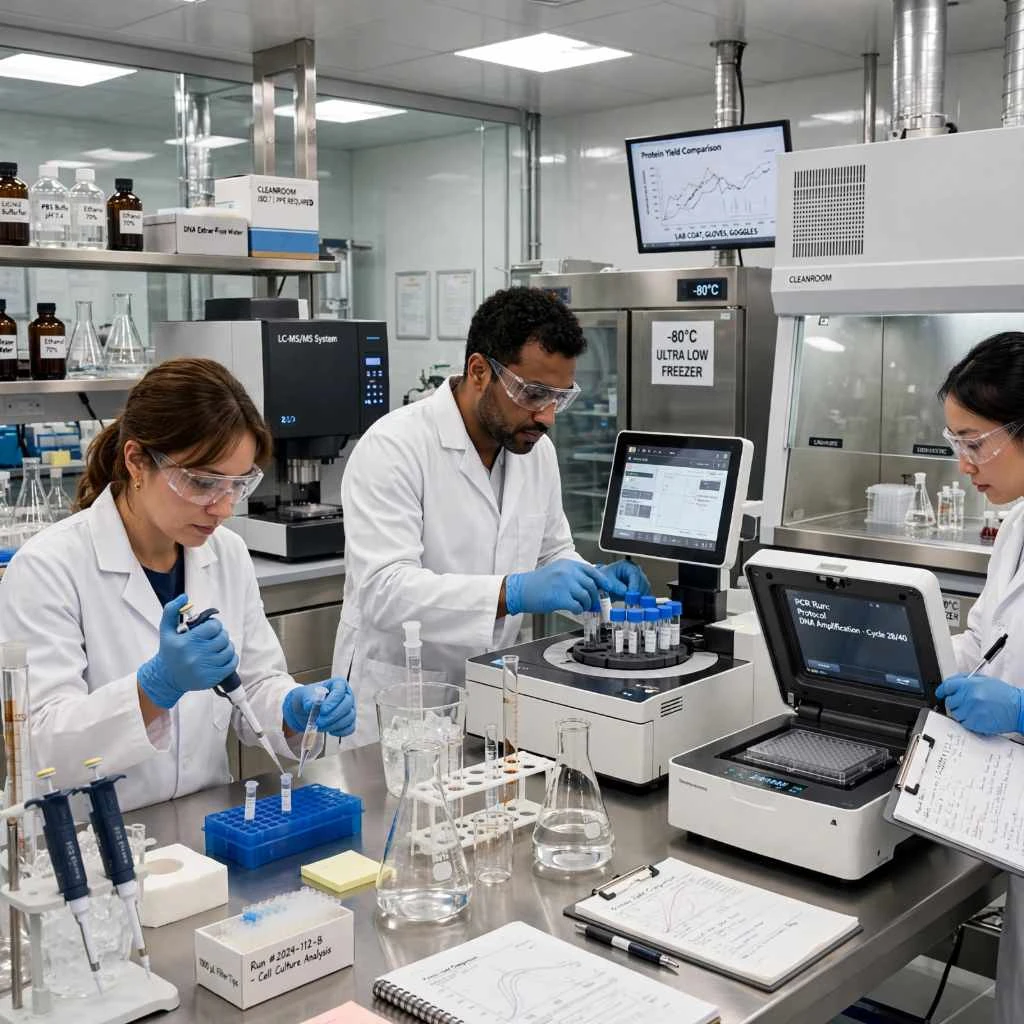
Peptide Science and the Future of Biotechnology in Costa Rica
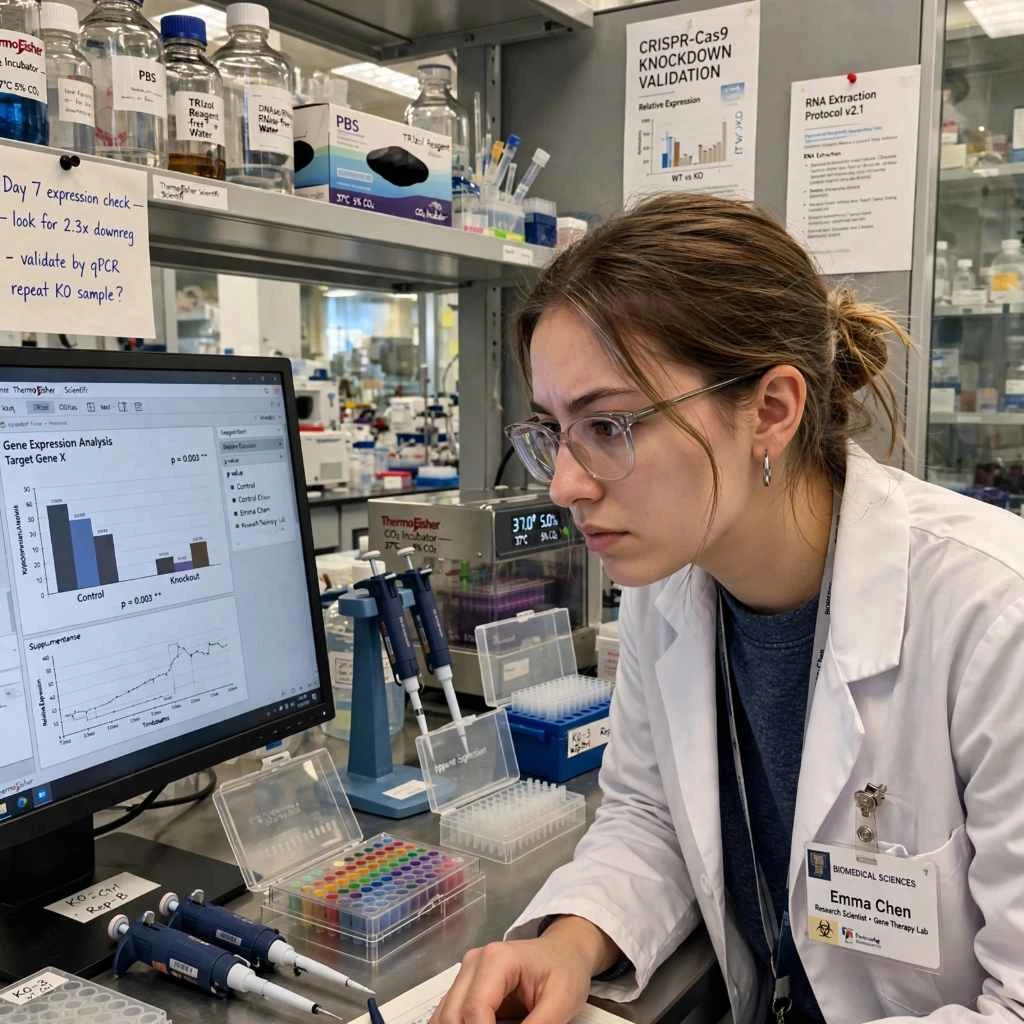
How Peptides Are Transforming Modern Science
Costa Rica is rapidly establishing itself as a promising hub for biotechnology and life sciences research. As the country’s scientific capabilities continue to expand, researchers are increasingly exploring innovative molecular tools that can help unlock a deeper understanding of human biology. Among these developments, Peptides Costa Rica has emerged as a growing topic of interest within research communities focused on cellular function, metabolic pathways, and biomedical innovation. This momentum reflects a broader commitment to scientific excellence and the pursuit of knowledge-driven discoveries.
Why Peptides Matter in Modern Research
Peptides are naturally occurring chains of amino acids that serve as vital messengers throughout the body. They influence numerous biological functions, including cellular signaling, immune responses, hormone regulation, and tissue maintenance. Because of their highly targeted biological activity, researchers often use peptides as investigative tools to better understand complex physiological mechanisms. Their precision and versatility have made them one of the most studied molecular categories in contemporary biomedical science.
Costa Rica’s Growing Biotechnology Landscape
The rise of peptide research aligns with Costa Rica’s broader investment in science, education, and technological development. Academic institutions, private laboratories, and biotechnology organizations are contributing to a research environment that encourages exploration and innovation. With increased access to advanced laboratory technologies and specialized research materials, scientists in Costa Rica are participating in global efforts to study emerging compounds and their potential applications. This collaborative ecosystem is helping strengthen the country’s position within the international scientific community.
Emerging Research Compounds and Scientific Interest
One of the reasons peptide science continues to attract attention is the ongoing investigation of novel compounds that may provide deeper insights into biological systems. Researchers examine these molecules to understand how they interact with specific receptors, influence cellular communication, and contribute to metabolic processes. Such studies are essential because they generate foundational knowledge that may support future advances in medical science. While many compounds remain strictly limited to research settings, their investigation plays a critical role in expanding scientific understanding.
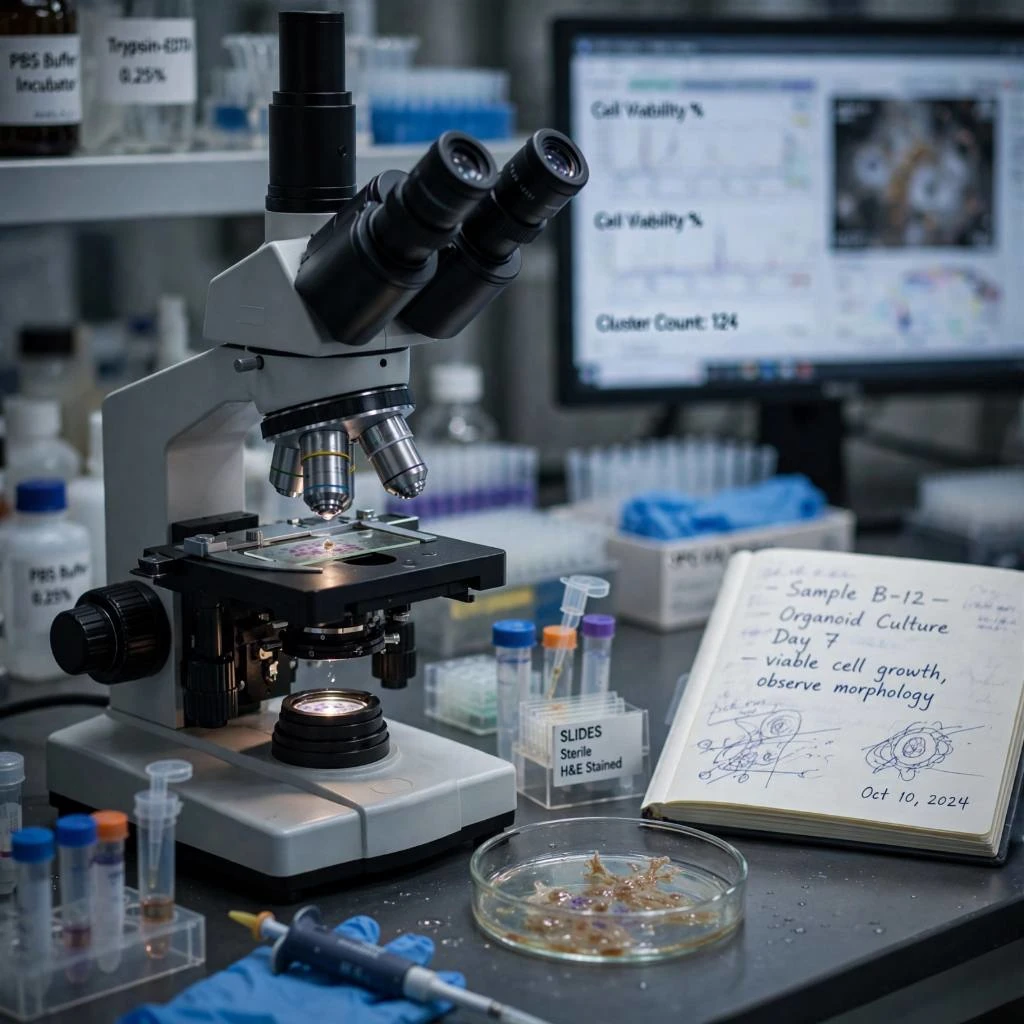
Value of Evidence-Based Scientific Inquiry
Every meaningful scientific breakthrough begins with careful research and objective evaluation. Scientists rely on peer-reviewed literature, validated methodologies, and credible databases to guide their work and verify results. A valuable resource for researchers worldwide is the NCBI, which provides access to extensive biomedical research publications and scientific data. By utilizing trusted sources and maintaining rigorous standards, researchers can ensure the quality and reliability of their findings while contributing to the broader body of scientific knowledge.
Quality and Precision in Peptide Studies
Successful peptide research depends heavily on consistency and quality control. Even small variations in compound purity or formulation can influence experimental outcomes and affect the reproducibility of data. For this reason, research institutions place a strong emphasis on sourcing materials that meet strict analytical standards. Transparency, traceability, and thorough documentation are all essential components of reliable scientific work. Maintaining these principles helps create dependable research environments where meaningful discoveries can flourish.
Bridging Innovation and Academic Progress
As interest in biotechnology grows, peptide science is becoming increasingly relevant to students, educators, and emerging researchers. Universities and research centers are incorporating advanced molecular studies into their academic programs, creating opportunities for the next generation of scientists to develop specialized expertise. This educational investment not only strengthens individual careers but also contributes to a more robust national research infrastructure capable of supporting future innovation in health and life sciences.
Looking Ahead to the Future of Biomedical Research
The future of peptide research in Costa Rica appears increasingly promising. Continued investment in scientific infrastructure, talent development, and collaborative research initiatives is creating a strong foundation for growth. As researchers deepen their understanding of molecular biology and investigate new scientific frontiers, peptides are expected to remain an important focus of study. Through a commitment to quality, evidence-based practices, and innovation, Costa Rica is positioning itself as an emerging contributor to global biomedical research and scientific advancement.