A Complete Guide to What to Expect When Shipping Your Car

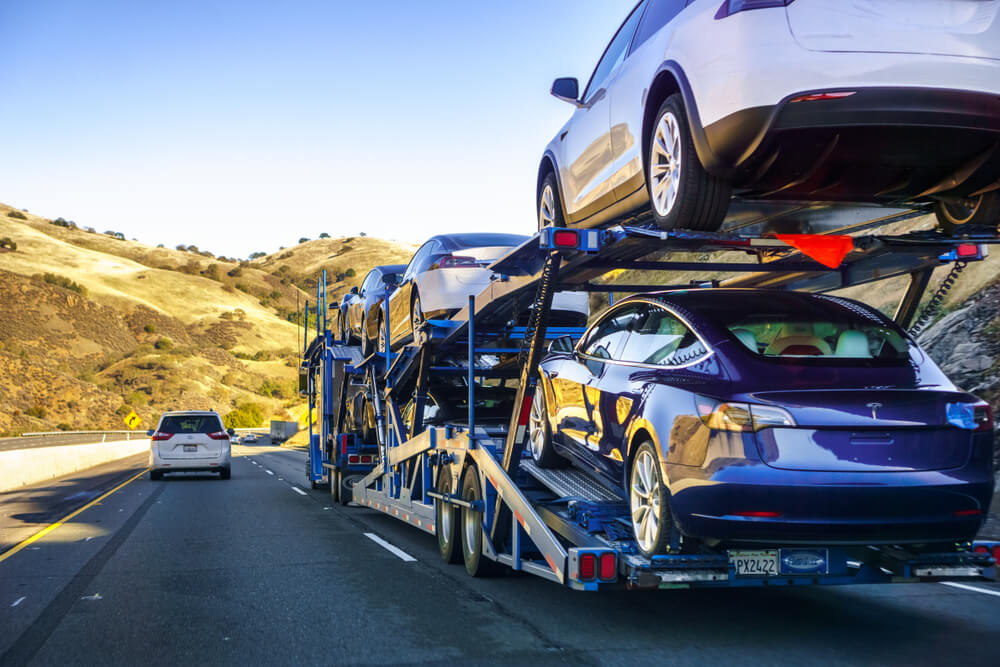
Shipping your vehicle can be an essential part of relocating, selling a car long distance, or preparing for an extended trip. Whether it’s across states or coast‑to‑coast, knowing what to expect ahead of time ensures the process goes smoothly and gives you peace of mind. One important aspect to understand is the Car Shipping Experience, which encompasses preparation, timing, communication, inspection, and delivery all parts of moving your vehicle from one location to another with confidence.
Understanding the Car Shipping Process
Before your vehicle ever touches a transport trailer, the process starts with gathering quotes and selecting a reputable auto transport company. During this stage, you’ll provide basic details like your car’s make and model, pickup location, drop‑off address, and preferred timeline. Transport providers use this information to calculate pricing and assign a carrier that has space and a route compatible with your needs. It’s worth noting that carriers don’t always travel directly from point A to point B many pick up multiple cars along a route, which can affect timing and scheduling.
What Affects Your Delivery Timeline
The length of time it takes to transport a car varies based on distance, carrier routing, seasonal demand, and even weather conditions. For typical long‑distance moves, deliveries can take about a week or more; shorter regional moves may be completed in a few days. Urban pickup and delivery locations usually allow faster access for trucks, while remote or rural addresses may require more planning.
Seasonal demand plays a big role in timing as well. Warmer months generally see more people moving, increasing the number of vehicles on carriers and extending delivery windows. While exact arrival times are hard to guarantee, most companies provide an estimated window that narrows as your shipment nears its destination.
Choosing the Right Type of Carrier
When comparing carriers, you’ll encounter two common transport types: open and enclosed carriers. Open carriers are the most widely used option and are typically more affordable. Vehicles transported this way are exposed to weather and road conditions, but it’s a reliable and cost‑effective choice for most everyday cars.
Enclosed carriers provide added protection by shielding your vehicle inside a covered trailer. This option is popular for luxury, classic, or high‑value vehicles where weather exposure is a concern. Because enclosed transport offers additional protection and uses specialized equipment, it is usually priced higher than open transport.
Preparing Your Vehicle for Transport
Proper preparation helps ensure your car arrives safely and without unnecessary delays. Before the carrier arrives, take a few important steps:
- Clean and Document: A thorough cleaning of both the interior and exterior makes it easier to document any pre‑existing scratches, dents, or imperfections. Take clear photographs from all angles to have a record of your car’s condition prior to shipment. This documentation is essential in the rare event of damage during transport.
- Remove Personal Items: Most shipping companies require that personal belongings be removed from the vehicle. These items are not typically covered by insurance during transport, and loose objects can shift and cause damage.
- Check Fluids, Battery, and Tires: Ensure the car has a quarter tank of fuel enough to drive on and off the carrier but not so much that it adds unnecessary weight. Confirm that the battery is charged, tire pressure is adequate, and there are no significant fluid leaks.
- Disable Alarms and Accessories: Any alarm system or anti‑theft device should be turned off to prevent unintended activation during loading or transit. Additionally, secure or remove loose aftermarket accessories that could be damaged or affect loading.
Before pickup, the transport driver will perform an inspection and complete a document called a Bill of Lading (BOL). This form notes the condition of the car before shipping and is signed by both you and the driver. Keep a copy of the BOL, as it serves as your official record in case of any questions later.
Pickup and Ongoing Communication
On pickup day, the carrier driver will arrive within a scheduled window and inspect your vehicle with you present. Once paperwork is completed and the car is loaded onto the trailer, the transport begins. During transit, many carriers provide updates on timing and tracking information, keeping you informed about your shipment’s progress.
Delivery and Final Inspection
When your vehicle reaches its destination, delivery coordination begins. The driver typically contacts you a day in advance to confirm timing and location details. At delivery, you’ll inspect the car again in daylight if possible, comparing its current condition to your pre‑shipment photos and the Bill of Lading.
Final Thoughts
Shipping a car doesn’t have to be stressful. With early planning, honest communication with your transport provider, and a clear understanding of what to expect during each phase from quoting and booking to pickup and delivery you can manage the process confidently. Most shipments arrive safely within their estimated windows, and careful preparation ensures your vehicle is ready to go once it reaches its new destination.